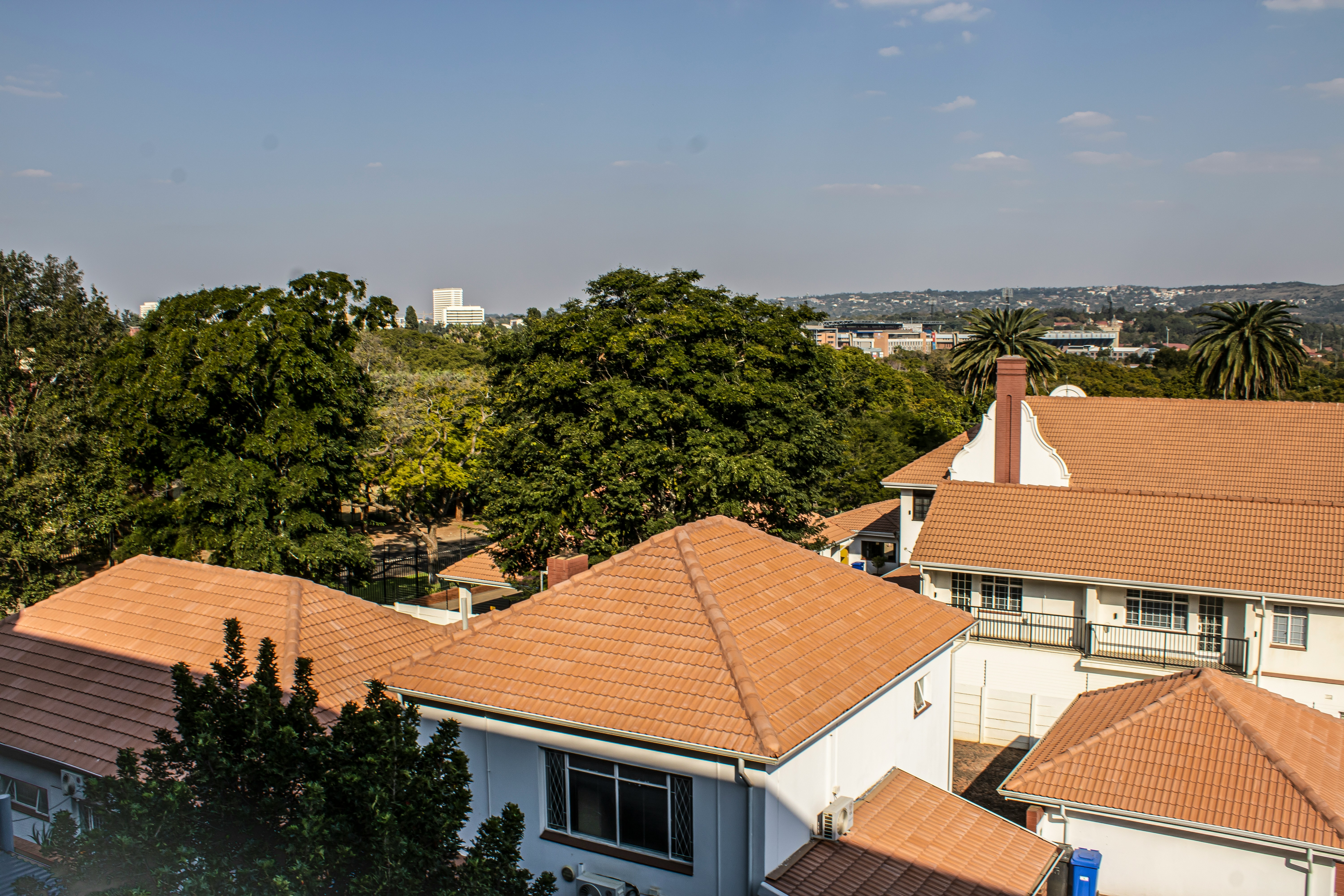
Pretoria, South Africa
Completed
Nine Months Monitored, 73% Solar — The Longest-Running Dataset in the Series
The smallest system in the series, the longest monitoring period, and still a 73% solar fraction. This is the proof point for budget-conscious households: even a modest 1.6 kWp array pays for itself and keeps delivering.


Attribute
Details
Location
Roodepoort, Gauteng
Household Size
3 people (couple + primary school-age child)
Solar-PV Array Size
1.6 kWp
Observation period
September 2024 – June 2025 (9 months)
Solar Contribution
73%
Danie and Lize Erasmus were early adopters. Their 1.6 kWp system went live in September 2024, making their installation the longest-running monitored case study in this series at nine months. Their Roodepoort home is modest — three bedrooms, a 150-litre geyser, a family of three with a seven-year-old who, in Lize’s words, “treats the bath like a swimming pool.”
The system was sized conservatively. At 1.6 kWp, it’s the smallest array in this batch, feeding a household that’s also the lightest on hot water demand. The question was whether a budget-friendly installation could still make a meaningful dent.
Nine months of data says yes. The system averaged 112 kWh of solar energy per month against 41 kWh from the grid — a 73% overall solar fraction. Cumulatively, the panels have delivered 1,116 kWh of solar energy, with 406 kWh drawn from the grid. Monthly savings sit at an estimated R575.
The financial picture here is different from the high-demand households. The Erasmus family wasn’t spending R1,000+ on water heating to begin with. Their monthly grid cost has dropped to R156, and the R575 total saving represents a proportionally huge reduction in their overall electricity spend.
Danie sees it as a no-brainer investment: “We spent less than any of our friends on the installation because we went small. And it still covers almost three-quarters of our hot water. The payback period was under two years.”
This case study matters because it represents the entry-level scenario. Not every household needs or can afford a large array. The Erasmus data proves that even the most conservative installation delivers meaningful, sustained returns — and nine months of monitoring through both summer and winter leaves little room for doubt.
Performance Details
Avg. Monthly Solar Energy
112 kWh/month
Avg. Monthly Grid Energy
41 kWh/month
Avg. Monthly Grid Cost
R156/month
Avg. Monthly Savings (Solar)
R428/month
Est. Monthly Savings (Total)
R575/month
Cumulative Solar Energy
1,116 kWh
Cumulative Grid Energy
406 kWh
Felt expereince
The smallest system in the series, the longest monitoring period, and still a 73% solar fraction. This is the proof point for budget-conscious households: even a modest 1.6 kWp array pays for itself and keeps delivering.